

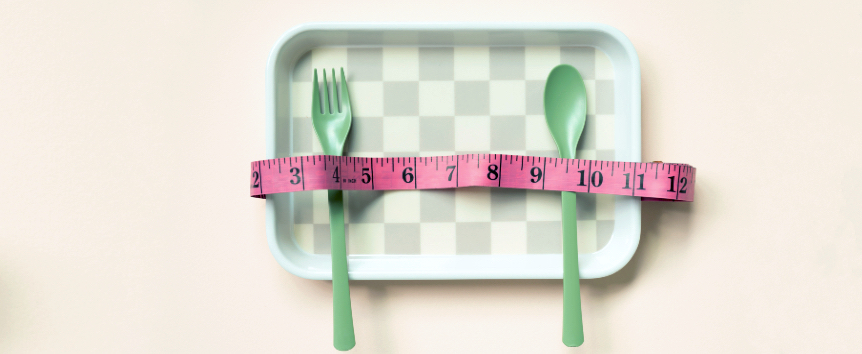
Closed facilities, rigid routines and almost constant surveillance. This is how the so-called “fat prisons, Chinese weight-loss camps that have attracted global attention, are being described. A recent Daily Mailreport recounts the experience of a 28-year-old Australian participant, highlighting the strict discipline and intense daily exercise involved in these camps.
Although participation is officially voluntary, the camps’ reportedly stringent rules and restricted freedoms raise significant concerns about health, personal autonomy, and the balance between support and coercion.
Since 2000, childhood obesity in China has grown at an alarming rate. In response to this trend, the Chinese government launched a national campaign in 2024 aimed at curbing rising obesity rates, focusing on public awareness of balanced diets, active lifestyles, and long-term behavioural change.
Within this context, these intense weight-loss centres have emerged, promising rapid results through strict diets, hours of vigorous daily exercise, and regulations that make it difficult to leave once a participant has committed. Critics argue that such methods border on punitive rather than supportive and may overlook the underlying behavioural and social determinants of obesity.
From a biblical perspective, self-control and temperance are emphasised as virtues. The Scriptures encourage moderation and awareness of one’s impulses. Galatians 5:22-23 lists self-control among the fruits of the Spirit, while 1 Corinthians 6:12 states, “All things are lawful for me, but all things are not helpful. All things are lawful for me, but I will not be brought under the power of any.”
While discipline can support positive lifestyle changes, prevention remains the best strategy. It’s far easier to resist an unhealthy impulse in the moment than to deal with its long-term consequences. Below are five evidence-based tips from the World Health Organisation (WHO) and the NHS to help prevent obesity:
1 – Choose a Balanced, Nutrient-Rich Diet – Limiting energy intake from fats and sugars while increasing consumption of fruit, vegetables, whole grains and lean proteins can reduce the risk of becoming overweight.
2 – Limit Sugary Drinks and High-Calorie Foods – Reducing consumption of sugar-sweetened beverages and highly processed energy-dense foods is a key preventive step recommended by global health authorities.
3 – Be Physically Active Every Day – Adults should aim for at least 150 minutes of moderate-intensity activity per week (such as brisk walking and cycling), and children should engage in plenty of active play. Regular movement helps balance energy intake and expenditure.
4 – Monitor Screen Time and Sedentary Behaviour – WHO guidance suggests limiting prolonged periods of sitting or inactivity, particularly for children, to support healthy body weight and overall well-being.
5 – Practice Healthy Eating Habits and Portion Control – Reading food labels, choosing whole foods over processed options, and paying attention to portion sizes can help foster long-term healthy habits.
Consistently implementing these tips can make a real difference in your health. Combining practical guidance with spiritual support can be an effective way to strengthen motivation and help maintain healthy habits.
Every Tuesday, we hold Health Day meetings, where attendees can better understand what the Word of God has to say about maintaining physical and spiritual well-being, and how faith can be a powerful tool alongside medical guidance. Join us at your local Universal Church.
Disclaimer: The UCKG HelpCentre’s spiritual advice is to be seen as a complement to the scientifically proven treatment you may be receiving. The UCKG HelpCentre does not claim to heal people but believes that God can through the power of faith. Always follow your doctor’s instructions.
Event: Health Day meetings
Day and time: Every Tuesday at 7.30pm (also at 7am, 10am and 3pm)
Location: Your nearest Universal Church
Sources: https://www.dailymail.co.uk/news/article-15434075/Aussie-china-fat-prison.html
https://www.chinadaily.com.cn/a/202401/17/WS65a73f45a3105f21a507cc0c.html
https://www.who.int/news-room/fact-sheets/detail/obesity-and-overweight
https://www.nhs.uk/live-well/healthy-weight/managing-your-weight/tips-to-help-you-lose-weight