

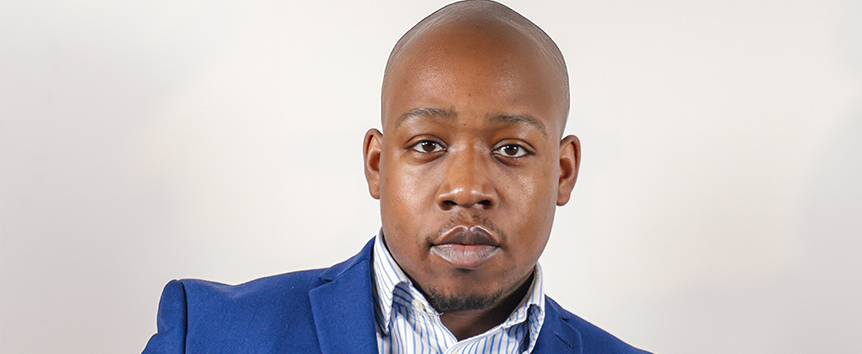
Ayo Olamousi never imagined his life would spiral out of control. Raised in a home marked by his father’s influence, he repeated the same habits—alcohol, drugs, reckless relationships, and violence. At 19, a stabbing brought him face-to-face with death, yet he continued down the same destructive path. How did he finally break the cycle of “like father, like son”?
“Turning 18 was when reality started to catch up with me. I grew up with both parents and, on the surface,
things looked fine. But I began to notice cracks—both in myself and in their relationship. My dad’s words could
be so harsh. He’d tear you down without even realising. Every Friday after work, he’d head straight to the pub with his mates and sometimes wouldn’t come home until the next day. I never knew which version of him would walk through the door: angry, emotional, or silent and straight to bed.
“At first I didn’t see it, but slowly I was becoming like him. The saying “Like father, like son” became real in the worst way. I’d go out clubbing, binge‐drink until I passed out, get thrown out of clubs, nearly arrested (always because of alcohol). I wanted to be like my dad, to earn his approval, even though it was destroying me.
I mixed with the wrong crowds, slept around, and wasted money. Alcohol emptied my bank account, but I didn’t care. I was completely lost, carrying a huge void inside me. I could see myself turning into the man I promised I’d never become. The cycle was repeating, and I hated it.
“At 19, everything fell apart when I got stabbed. I never thought something like that would happen to me. I wasn’t the instigator, but my friends were, so fights like that seemed normal. “I’d already avoided being stabbed once and thought I was untouchable, but the second time I wasn’t so lucky.
“I was stabbed in the thigh and rushed to hospital. I was on the brink of death and still, I didn’t change. I brought trouble home, disappointed my parents, and became a burden. I healed physically but inside I was spiralling.
“When I went to uni, being away from home just gave me more freedom to do whatever I wanted. Alcohol wasn’t enough anymore, so I turned to cocaine. I hung around with drug dealers, smoked weed every day, anything to escape myself. I failed my first year and let my dad down again. In the end I scraped a pass, but my prospects were awful. I had dreams, but they felt impossible. I wasn’t moving forward; I was just existing. That made me feel hopeless.
“One night at a party, two close mates showed up. We’d partied hard together for years, they were worse than me. But when I offered them a drink, they refused. They said they had church the next day and left. Something was different. I chased after them. “Ayo, we’ve changed,” they said. “We go to the Universal Church now. We don’t want this lifestyle anymore.” For the first time, I felt hope. If they could change, maybe I could too. They invited me to an event, and that was my first time stepping into the Universal Church.
“Changing wasn’t easy. At Victory Youth Group meetings, I’d hear the Word of God, but my old friends still called, girls messaged me mid‑service. It was constant. But something about the Church was different. The first time I heard the pastor preach, I knew my life would change. It felt like the message was aimed at me. I felt peace. I accepted the help and started going regularly. I learnt practical tools to help me draw closer to God and turn my life around. I cut off bad habits and distanced myself from toxic friendships.
“Eventually, I started fighting for my love life. I went to the Love Therapy Seminars, learning to love with wisdom. I prayed for guidance and later met my wife, Naomy, through a mutual friend. We’ve been married nine months now, growing together in faith and helping others as we were helped.
“Now I have goals, self-control, a sense of purpose, and a positive relationship with my father. I still have fun, but it’s a different kind: the kind that builds me up instead of tearing me down. What began as a painful repetition of “like father, like son” became a new story, shaped by choices I made instead of circumstances I inherited.”
Ayo Olamous