

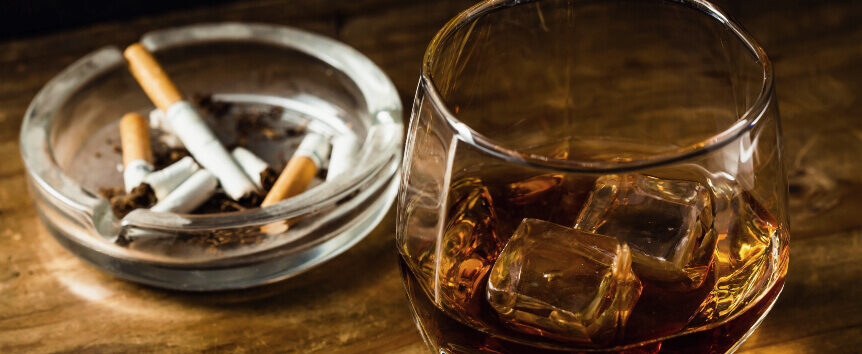
Recent studies have revealed an uncomfortable truth: alcohol is as carcinogenic as cigarettes. In response to mounting scientific evidence, the United States Department of Health and Human Services (HHS) reviewed data from multiple studies and consulted medical experts to issue a public warning about the link between alcohol consumption and cancer risk.
Because alcohol is a legal and socially accepted substance, its dangers are often underestimated. However, in the United States, alcohol is now considered the third leading preventable cause of cancer, following tobacco and obesity. Alcohol consumption is associated with nearly 100,000 cancer cases and around 20,000 cancer-related deaths each year. Research has identified links between alcohol and at least seven types of cancer, including breast (in women), colorectal, oesophageal, liver, oral cavity, throat (pharynx), and laryngeal cancer.
Studies show that, when comparing drinkers to non-drinkers, there is an average relative increase of about 10% in cancer risk among those who consume alcohol. For this reason, the U.S. Surgeon General, Dr. Vivek Murthy, has called for updated warning labels on alcoholic beverages, similar to those found on cigarette packaging.
Here in the UK, the picture is no less concerning. Alcohol is estimated to be responsible for around 11,900 cancer cases each year, accounting for roughly 4% of all new cancer diagnoses nationwide. Health authorities emphasise that even moderate drinking increases the risk of developing cancers such as breast and bowel cancer, with the risk rising as consumption increases.
The World Health Organization (WHO) is clear in its guidance: there is no safe level of alcohol consumption. Even small amounts, often considered harmless, can contribute to long-term health damage.
This serves as a reminder that while certain habits may offer short-term pleasure or social comfort, their long-term consequences can be serious and sometimes irreversible. Saying “no” to ourselves today can help protect our health, our future, and our quality of life tomorrow.
Every Tuesday at the Universal Church, we hold Health Day meetings where you can learn more tips on making healthier choices and how faith can work in harmony with medical care to promote overall well-being. Join us at your nearest branch.
And if you’re struggling with habits that are harming your health or your life in general, know that you’re not alone. You are welcome to call our 24-hour Help Line, where you can receive words of faith and encouragement, along with spiritual guidance at any time.
24-hour Helpline: 020 7686 6000
WhatsApp: 020 7686 6010
Disclaimer: The UCKG HelpCentre’s spiritual advice is to be seen as a complement to the scientifically proven treatment you may be receiving. The UCKG HelpCentre does not claim to heal people but believes that God can through the power of faith. Always follow your doctor’s instructions.
Event: Health Day Service
Day and time: Every Tuesday at 7.30pm (also at 7am, 10am and 3pm)
Location: Your nearest Universal Church
Sources: https://www.hhs.gov/sites/default/files/oash-alcohol-cancer-risk.pdf
https://alcoholchange.org.uk/alcohol-facts/fact-sheets/alcohol-and-cancer