

The Parable of the Prodigal Son is one of the most well-known parables in the Bible, recognised even by many non-Christians. Often, the focus is solely on the younger son—his rebellion, his downfall, and his father’s mercy in welcoming him back with a celebration. However, the depth of this parable goes much further.
Jesus begins the parable by emphasising that there were two sons: Then He said: “A certain man had two sons.” (Luke 15:11). This story is not only about the son who left home, but also about the one who stayed.
When the younger son returns repentant and is received with joy, the older brother reacts in an unexpected way: “But he was angry and would not go in. Therefore his father came out and pleaded with him. So he answered and said to his father, ‘Lo, these many years I have been serving you; I never transgressed your commandment at any time; and yet you never gave me a young goat, that I might make merry with my friends. But as soon as this son of yours came, who has devoured your livelihood with harlots, you killed the fatted calf for him.” (Luke 15:28-30).
He was outraged, resentful and deeply hurt, so much so that he refers to his brother as “this son of yours” rather than “my brother.” Resentment can fracture relationships. And in this case, his bitterness was not only directed at his brother, but also at the father.
The parable ends with the prodigal son forgiven, restored and reconciled with his father, while the older son remains outside the celebration, consumed by bitterness toward both of them.
This raises an important question: What did the father do to deserve such resentment? Nothing. The older brother’s bitterness stemmed from comparison, a sense of superiority, and the belief that he deserved more because he had “never done wrong.” Ultimately, his error was more serious than his brother’s, because he allowed bitterness to take root in his heart.
This parable reveals two realities that still exist today:
Outside the church there are many prodigal sons, who were once in the Father’s house but are now distant, wounded and fallen.
Inside the church there are many “older brothers”, who are physically present but harbour bitterness—feeling hurt by God, others, or unresolved situations.
Disappointment, frustration, a sense of injustice, or even just disagreement have led many to nurture grudges in their hearts, poisoning their spirit and destroying them from the inside out. On the other hand, the Bible teaches us that forgiveness heals, unites and opens the door to new beginnings. Through faith, it’s possible to be free from these negative feelings and, like the prodigal son, be restored and cleansed from bitterness.
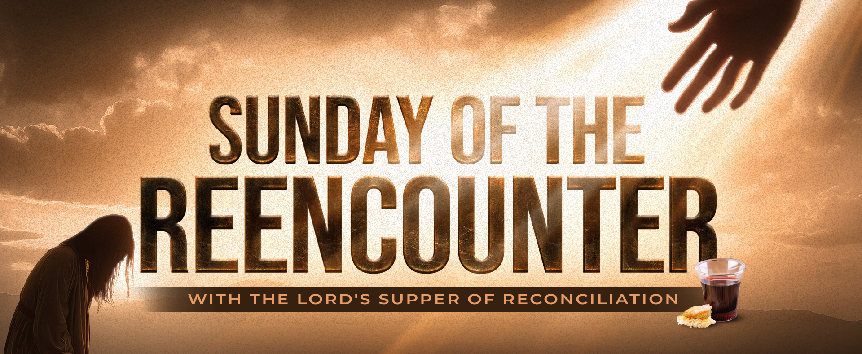
This Sunday, 25 January, we will hold the Sunday of the Reencounter with the Lord’s Supper of Reconciliation. Take a moment to pray, ask God to reveal any hidden resentment in your heart, and join us at your nearest Universal Church. It will be a great opportunity for a fresh start, both for those who are “outside” and for those who, even while “inside”, still need to return to the Father with their whole hearts.
Event: Sunday of the Reencounter with the Lord’s Supper of Reconciliation
Day and time: Sunday, 25 January at 10am (also at 7:30am)
Location: Your nearest Universal Church