

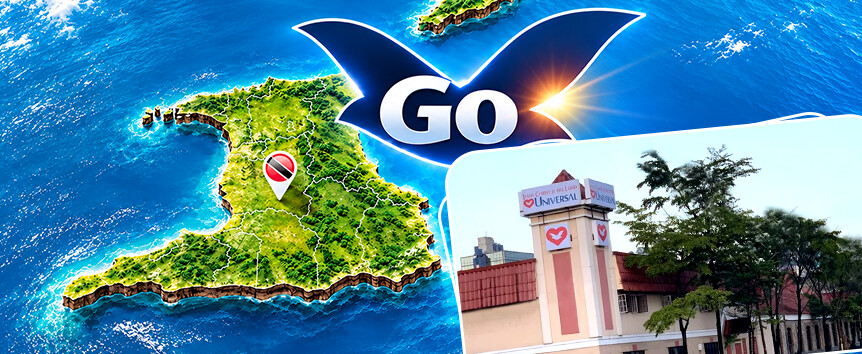
In the southern Caribbean, just off the coast of Venezuela, lies Trinidad and Tobago, a nation of around 1.3 million people. Made up of two main islands and several smaller ones, the country is known for its beautiful beaches, rainforests and vibrant culture.
Yet behind this beautiful setting are people dealing with challenges in their everyday lives. It was with a desire to reach the individuals with the Word of God that the Universal Church began its work in the country.
The journey began in 1999 with a small group connected to the Universal Church in Jamaica. Their first meeting was held in the home of a member who had previously attended the Church in London, England. From that humble beginning, the work gradually began to reach more people.
A decade later, in 2009, the church was established in Arima, Trinidad. Then, at the end of 2010, it reached Tobago, the country’s second-largest island.
Fast forward to today, the Universal Church is present in all nine main regions of Trinidad and Tobago. There are 18 churches, 28 pastors, including five who are native to the region, as well as 155 volunteers involved in different evangelistic groups.
The national headquarters can accommodate 460 people, providing a central place for many of the activities taking place across the country.
However, much of the outreach happens beyond the church buildings. Volunteers find different ways to connect with people in their everyday lives, taking to the streets, appearing on television programmes and using social media to share the Gospel. They also distribute coffee to workers, hold prayer groups in homes, visit people in hospital and take part in social action projects.
Often, a life can begin to change through something as simple as a conversation, a cup of coffee or a visit during a difficult moment.
According to Bishop Ricardo Pereira dos Santos, who is responsible for the work in Trinidad and Tobago, these efforts have given people the opportunity to leave behind their former beliefs and begin a new life with the Lord Jesus.
For those involved in the outreach, understanding what people are going through is an important part of being able to help them.
Although oil and natural gas play an important role in the country’s economy, not everyone has experienced the benefits.
Bishop Ricardo says “unemployment, crime and suicide cases have increased amid the economic crisis, leaving some families struggling even to meet their basic needs. In addition to spiritual assistance, we distribute food baskets,” he explains.
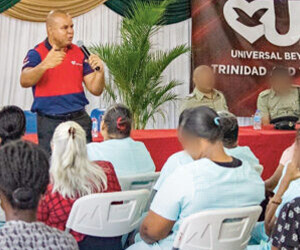 Looking ahead, there are plans to expand the work further, with five new churches expected to open in remote areas of the country.
For Bishop Ricardo, the purpose is clear. “Our goal is not to bring religion, but the Word of God,” he emphasises.
And while the Church has come a long way since that first meeting in a home, he believes there is still much more to be done.
“We need to continue fulfilling our mission. The Great Commission is not an option, but a command from the Lord Jesus.”
For those who have not yet responded to their calling, he leaves a challenge: to look beyond themselves, see the suffering of others and allow God to use their lives to make a difference.
As the work continues across Trinidad and Tobago, the mission remains clear — to take the Gospel to more people, serve those in need and fulfil the command of the Lord Jesus to go and make disciples.