

If the past few weeks have left you waking up tired after warm nights, slowing down during the day or seeking out air-conditioned spaces, you’re certainly not alone. The recent heatwave in the UK has seen temperatures climb to unusually high levels, reaching 38.1°C at Kew Gardens on 13 August. Across central and southern England, dozens of locations recorded temperatures of 36°C or higher.
The prolonged hot and dry conditions have already had serious consequences. Over the weekend, firefighters battled a wave of wildfires, particularly across South Wales, where at least 13 fires were reported across the valleys. Nationally, around 36 wildfires were still burning, with 11 declared major incidents. The situation had already prompted the Government to send an emergency alert to phones on Friday, 14 August, warning of a “very high risk of wildfires nationally” and urging people to avoid any activity that could start a fire.
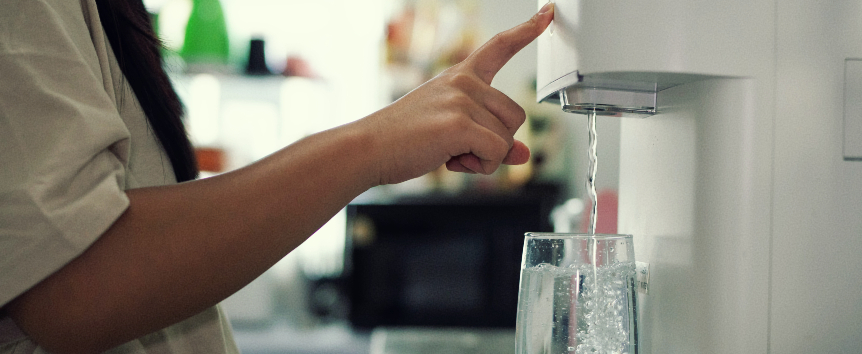
With weather like this, you have probably heard the same advice many times: drink plenty of water. It may sound obvious, but one simple question is still worth asking… Are you actually drinking enough?
Our bodies constantly lose water through breathing, sweating and using the toilet. During hot weather, we lose even more fluid through sweat, as the body works harder to keep itself cool. If those fluids are not replaced, dehydration can develop.
According to the NHS, most people should generally aim for six to eight cups or glasses of fluid a day, although this is only a general guide. You may need to drink more if you are in a hot environment, physically active for long periods, pregnant or breastfeeding, or unwell.
Simple ways to stay hydrated include keeping a bottle of water nearby while you work, or taking one with you when you leave home.
Older people and young children can be particularly vulnerable to dehydration, so during periods of high temperatures, it’s also worth checking on relatives, friends or neighbours who may need additional support.
Hydration is only one part of staying safe in the heat. NHS advice also includes avoiding the hottest parts of the day where possible, seeking shade when outdoors and avoiding activities that could cause you to become excessively hot.
Sometimes, looking after our health begins with very ordinary decisions. Drinking an extra glass of water, taking a break from the heat or paying attention to what our body is telling us may seem small, but these simple habits can form an important part of caring for our wellbeing.
Alongside taking practical steps and following appropriate medical advice, faith can also provide encouragement, hope and strength when facing health-related challenges. You can learn more about this at our Health Day services, held every Tuesday at your nearest Universal Church.
Disclaimer: The UCKG HelpCentre’s spiritual advice is to be seen as a complement to the scientifically proven treatment you may be receiving. The UCKG HelpCentre does not claim to heal people but believes that God can through the power of faith. Always follow your doctor’s instructions.
Event: Health Day service
Date and Time: Tuesdays at 7.30pm (also at 7am, 10am and 3pm)
Location: At your nearest Universal Church